Shipping a golf cart might sound simple at first glance—just like towing it over to a service shop or a friend’s place. But in reality, golf cart shipping is a completely different ballgame. Whether you're moving your cart cross-country or just a few hundred miles, the logistics are unique, and the stakes can be high if personal belongings go missing in transit. In this guide, we’ll walk you through everything you need to know about preparing your golf cart for shipment, with a special focus on how to remove personal belongings and secure loose accessories so nothing gets lost. Plus, we’ll highlight credible companies like A1 Auto Transport, and trusted resources such as the ship golf cart overseas Federal Motor Carrier Safety Administration (FMCSA) website to help you make informed decisions.
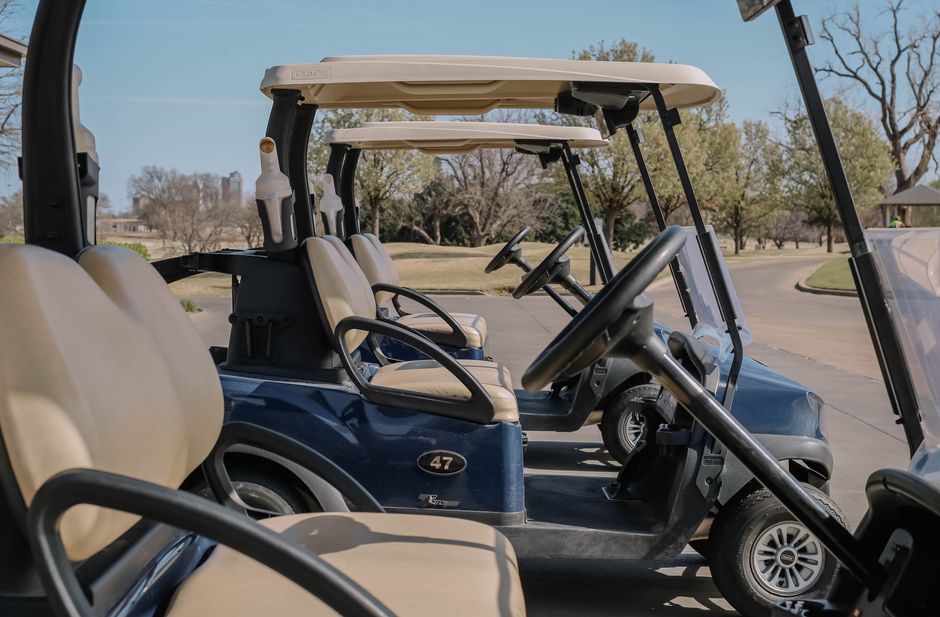
Why Golf Cart Shipping Is Different From Towing
Many people equate golf cart shipping with towing it behind a vehicle, but they're very different processes with unique considerations. Here are some key differences:
- Protection from the elements: Unlike towing, shipping often involves open or enclosed trailers designed to keep your cart safe from rain, dirt, and road debris over long distances. Professional handling: Golf cart shipping companies specialize in loading, securing, and unloading carts carefully using equipment designed for them. Regulations and insurance: Registered carriers like FMCSA-approved companies must meet safety standards and carry insurance, as opposed to informal towing setups. Door-to-door service: Shipping firms often provide pick-up and delivery straight to your doorstep or specified location, which towing usually does not cover. Handling non-running carts: Unlike towing, some handlers accept carts that don’t run—but that requires special preparation and clarification upfront.
Because of these differences, preparing your cart properly for shipment requires attention to detail, especially when it comes to your personal items and loose parts.
Remove Personal Belongings Before Pickup
One of the biggest pitfalls I’ve seen over a dozen years handling golf cart logistics is customers leaving personal belongings or valuable accessories inside the cart during transit. Let me be clear: always remove all personal belongings before the carrier picks up your cart. This simple step drastically reduces the risk of theft or loss.
Think about it—your golf cart might travel hundreds or even thousands of miles, switching hands through intermediaries and sitting in storage yards. It’s not a secure safe or your garage. Some carriers even refuse to accept carts with personal items because they raise liability issues.
Common Items to Remove:
- Coolers, water bottles, or any food/beverage containers Personal tools or chargers for the golf cart battery Loose seat cushions, bags, umbrellas, and scorecards Electronic devices or GPS units Any detached or loose accessories such as flag holders, Bluetooth speakers, or sunshades
To protect yourself further, take detailed photos of your golf cart before pickup, focusing on the interior and exterior. This evidence is your best protection if you need to file a damage or loss claim later.

Secure Loose Accessories to Avoid Damage or Loss
Aside from personal belongings, golf carts often have loose parts or accessories that can shift or fall off during transit if not secured properly. These can include:
- Mirrors Windshields Flag poles Seat belts or straps Battery covers
Before shipment, check your cart for anything that can move. Use zip ties, bungees, or automotive tape to fasten these items. If parts seem fragile, consider removing them and transporting them separately yourself.
Your goal is to have the golf cart arrive in the same condition as it left. Taking a few extra minutes for prep can save you the headache of lost accessories and expensive repairs.
Preparing Your Golf Cart for Shipment: The Essential Shipping Prep Checklist
Here’s a handy shipping prep checklist to help you get your cart ready for safe transport:
Clean your cart: Dirt or mud can hide damage or make loading slippery. Remove all personal belongings: See above for examples. Secure or remove loose accessories: Tape, tie, or pack separately. Check fluid levels and batteries: If non-running, notify the carrier in advance—some require fully charged batteries for loading. Take timestamped photos: Exterior and interior, from all angles. Document scratches, dents, and existing damage: For the delivery inspection. Verify pickup location accessibility: Ensure trucks can safely park and load your cart without tight turns or obstacles. Confirm pickup time and contact details with your shipper: Keep your phone handy the day of pickup.Choosing a Credible Shippping Company: Why A1 Auto Transport Stands Out
When you search for golf cart shippers, chances are you’ll encounter lots of classifieds ads and unverified haulers who make big promises but fall short on delivery and communication. That’s exactly why I always recommend sticking to reputable companies with clear track records.
A1 Auto Transport has been specializing in vehicle shipping since 1988—over three decades of experience handling everything from cars to golf carts. Their dedication to customer service is shown by their accreditation with the Better Business Bureau (BBB) where they have maintained positive reviews and a strong rating.
Beyond longevity, A1 Auto Transport provides a dedicated golf cart shipping page filled with helpful information specific to golf cart owners, including:
- Tips on preparing your golf cart for shipment Transparent pricing and quotes with no vague ranges Clear expectations about door-to-door service Options for open versus enclosed transport Licensed and insured carriers compliant with FMCSA regulations Real customer reviews showcasing trustworthy performance
When you use a carrier vetted through established channels like the FMCSA and with a BBB rating, you reduce the risk of hidden fees, delay, or mishandling.
Door-to-Door Expectations and Logistics
One of the big advantages of professional golf cart shipping services like A1 Auto Transport is door-to-door delivery. This means the carrier picks up and drops off your cart at specified addresses, minimizing double-handling and extra storage stops.
Keep in mind, door-to-door service does not always mean your cart will be placed exactly inside your garage or gated backyard. Before booking:
- Discuss access details with your carrier (gates, stairs, narrow streets) Ensure the pickup and delivery locations are accessible to large transport trucks Understand that insurance coverage typically applies once the cart is loaded onto the truck, not before Confirm agreed delivery window ahead of time to coordinate availability
Planning these logistics carefully will help prevent unexpected delays or damage.
Open vs Enclosed Transport: What Should You Choose?
Your golf cart’s protection during shipping depends heavily on the transport method. Here’s how to decide between open and enclosed trailers:
Transport Type Pros Cons Best For Open Trailer
- Lower cost Widely available Faster transit times
- Exposure to weather & road debris Higher risk for scratches or dings
- Maximum protection from elements Limited exposure to theft or vandalism Better for luxury or heavily accessorized carts
- Higher cost (sometimes 25–50% more) Less widely available, potential scheduling delays
A1 Auto Transport golf cart transport offers both options and can provide a quote tailored to your cart’s specific needs. Choosing enclosed transport is often worth the added cost if you have delicate accessories or expect adverse weather on your route.
Final Thoughts: Protect Your Golf Cart—and Your Peace of Mind
Shipping your golf cart doesn’t have to be a nerve-wracking experience if you follow the right preparation steps:
- Remove personal belongings before shipment to avoid loss Secure or remove loose accessories to prevent damage Take clear photos and document the cart’s condition Select a reputable, FMCSA-registered carrier like A1 Auto Transport Decide on open vs enclosed transport based on your budget and care needs Communicate pickup and delivery logistics with your carrier clearly
Remember, ads for cheap or unverified shippers on classifieds can be tempting but riskier. Always verify licensing on the FMCSA website and review customer feedback on BBB pages before booking.
Taking these steps will safeguard your golf cart and its belongings, making your shipment smooth and worry-free. As always, don’t skip taking photos before pickup—it’s your best insurance against claims and hassle down the road!